Clear Aligners vs. Braces: Which Is Right for You?
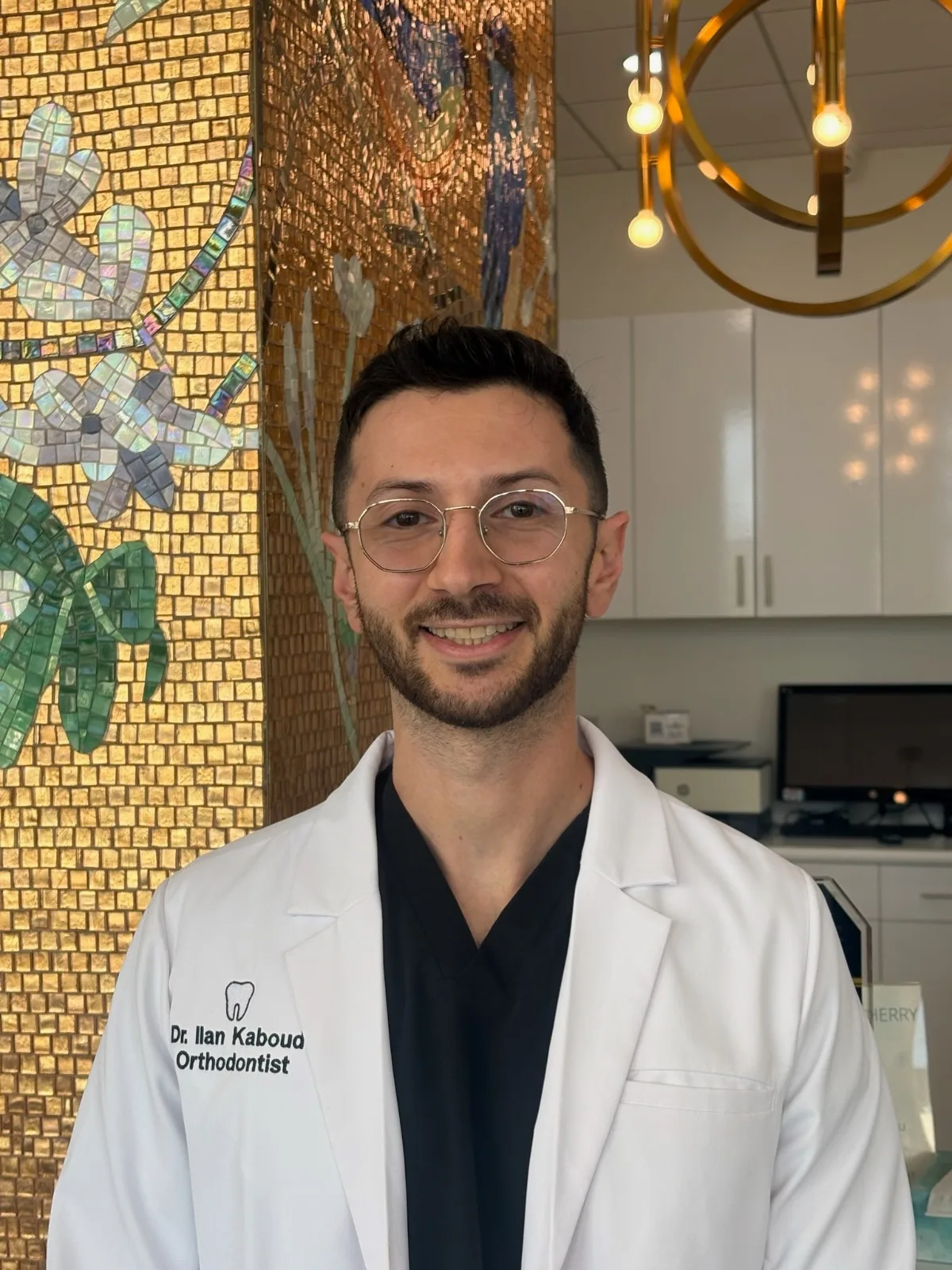
You’ve decided to straighten your teeth — great. But now comes the next question: clear aligners or traditional braces? It’s a question our new in-house orthodontist, Dr. Ilan K, answers almost daily at Peninsula Dentistry in Huntington Beach. The honest answer? It depends on your specific situation.
Let’s break down the real differences so you can make an informed decision.
How Clear Aligners Work
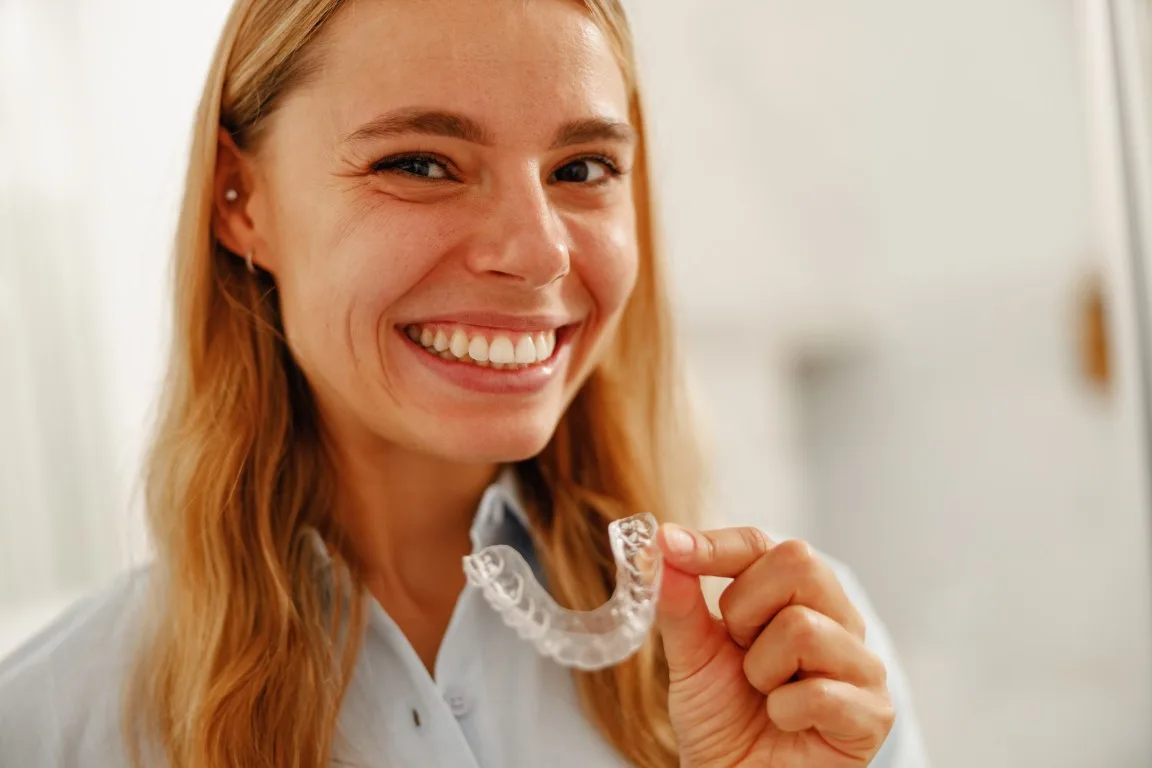
Clear aligners are a series of custom-made, nearly invisible plastic trays that gradually shift your teeth into alignment. You wear each set for about two weeks, then switch to the next one in the series. They’re removable — you take them out to eat, brush, and floss.
The biggest appeal is aesthetics. Most people won’t notice you’re wearing them. For adults and teens who are self-conscious about metal brackets, clear aligners can feel like a game-changer.
But here’s what the marketing doesn’t always tell you: clear aligners work best for mild to moderate crowding, spacing issues, and minor bite corrections. For more complex orthodontic cases — significant overbites, underbites, rotated teeth, or jaw alignment issues — traditional braces are often more effective.

When Traditional Braces Are the Better Choice
Traditional braces use metal or ceramic brackets bonded to your teeth, connected by a wire that applies continuous pressure. They’re more versatile than aligners because your orthodontist can apply force in multiple directions simultaneously.
Dr. Ilan K recommends braces for patients with:
- Severe crowding or spacing that requires significant tooth movement
- Complex bite issues like crossbites, deep overbites, or open bites
- Rotated or tilted teeth that need precise three-dimensional correction
- Growing children and young teens whose jaws are still developing
Braces also don’t rely on patient compliance. With aligners, you need to wear them 20-22 hours a day for them to work. If you’re the type to forget or find yourself taking them out too often, braces might be the more reliable path.
Cost Comparison in Orange County
In the Huntington Beach and Orange County area, you can expect:
- Clear aligners: $3,500 – $6,000 depending on complexity and brand
- Traditional braces: $3,000 – $7,000 depending on type (metal vs. ceramic) and treatment length
Many dental insurance plans cover orthodontic treatment for both options, though there may be age limitations or lifetime maximums. At Peninsula Dentistry, our team verifies your benefits upfront and walks you through the cost before treatment begins.
Treatment time is similar for both — typically 12 to 24 months, depending on complexity. Simple cases with aligners can finish in as few as 6 months, while complex braces cases may take up to 30 months.
Why Having an In-House Orthodontist Matters
Here’s something a lot of people don’t realize: not all clear aligner treatment is the same. A general dentist can order aligners, but an orthodontist has 2-3 years of specialized training beyond dental school focused specifically on tooth movement and bite correction.
Dr. Ilan K completed his specialty certification in Advanced Education in Orthodontics at Roseman University after earning his DDS at USC. He treats orthodontic cases every day — that specialization makes a real difference in treatment planning and outcomes.
Having Dr. Ilan K in-house at Peninsula Dentistry means you don’t need a separate referral. Your dental care and orthodontic treatment happen under one roof, and your dentist and orthodontist can collaborate directly on your treatment plan.
Frequently Asked Questions
Can I switch from aligners to braces mid-treatment?
Yes, it’s possible if aligners aren’t achieving the desired results. Dr. Ilan K monitors progress at every visit and will recommend adjusting the approach if needed. It’s one of the advantages of working with a trained orthodontist rather than a mail-order aligner company.
Are clear aligners painful?
You’ll feel pressure and some discomfort each time you switch to a new tray — that means the aligners are working. Most patients describe it as mild tightness that subsides within a day or two. It’s comparable to the soreness after a braces adjustment.
What age is best to start orthodontic treatment?
The American Association of Orthodontists recommends a first evaluation at age 7. However, treatment timing varies — some kids benefit from early intervention, while others should wait until all permanent teeth are in. Adults can start orthodontic treatment at any age.
Do I need to wear a retainer after treatment?
Yes, regardless of whether you choose aligners or braces. Without a retainer, teeth naturally tend to shift back toward their original positions. Most patients wear a retainer nightly for the long term.
Related Reading
- What’s the Best Age to Get Braces? A Huntington Beach Orthodontist Explains
- Teeth Whitening Options Compared: In-Office vs. At-Home vs. Over-the-Counter
Not sure which option is right for your smile? Schedule a consultation with Dr. Ilan K at Peninsula Dentistry in Huntington Beach. Call (714) 374-8800 or book online.