Periodontal Deep Cleaning
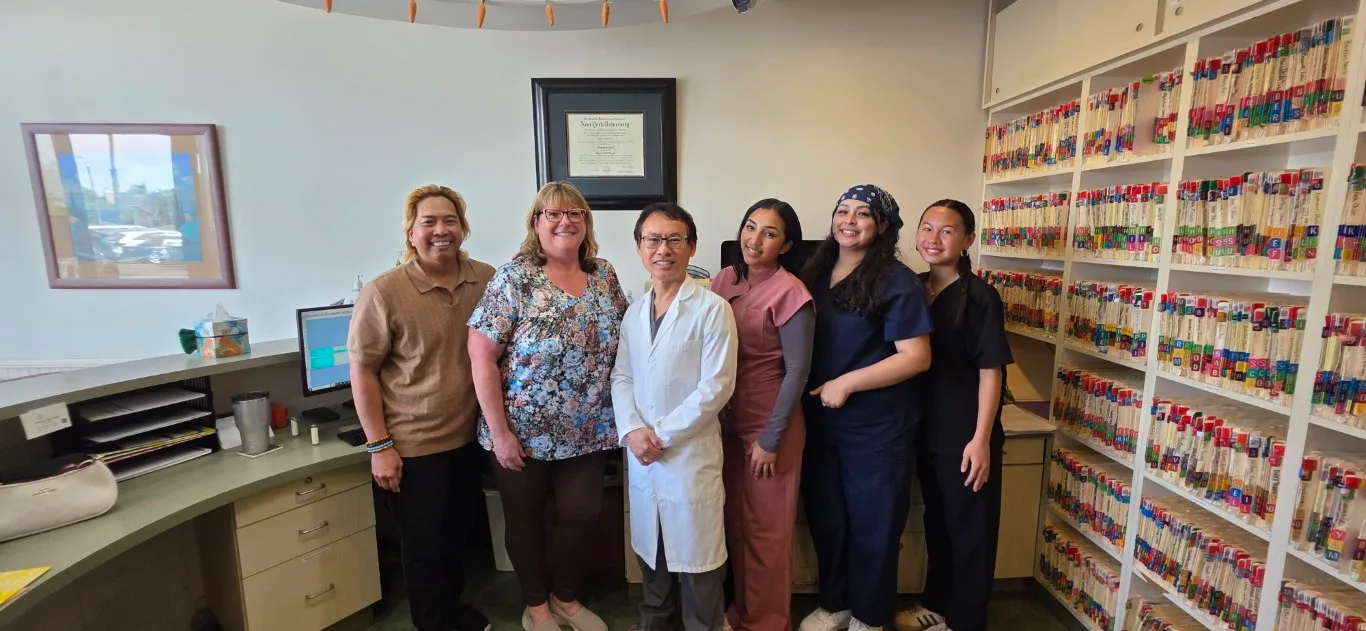
If your gums bleed when you brush, that's your body telling you something. Dr. Tran and our Huntington Beach team will get your gums healthy again before things get worse.
What Is Periodontal Deep Cleaning?
A deep cleaning isn't the same as your regular twice-a-year visit. It's what we do when gum disease has moved below the surface -- into the pockets between your gums and teeth where your toothbrush can't reach. Bacteria and tartar build up down there, causing inflammation, bleeding, and eventually bone loss if it's not addressed.
If you've noticed your gums bleeding, your breath staying bad no matter what you do, or your teeth looking a little longer than they used to, those are signs that a deep cleaning might be the right call. Dr. Tran will measure your gum pockets, show you exactly what's going on, and walk you through the treatment plan. Most of our Huntington Beach patients see real improvement within weeks.
Dr. Tran's perspective
"If your gums are bleeding when you brush, that's your body telling you something. A deep cleaning gets things back on track before it becomes a bigger problem. I'd rather catch this early and do a deep cleaning than wait until we're talking about surgery or tooth loss. That's just being straight with you."
Non-Surgical
Gentle treatment
Benefits of Deep Cleaning
Periodontal deep cleaning offers lasting protection for your teeth, gums, and overall health.
Halt Gum Disease Progression
Stop gum disease in its tracks before it causes irreversible damage to your gums and jawbone.
Reduce Pocket Depth
Cleaning below the gumline allows gum tissue to heal and reattach, reducing periodontal pocket depths.
Prevent Tooth Loss
By treating gum disease early, you preserve the bone and tissue that keep your teeth securely in place.
Freshen Your Breath
Eliminating deep-seated bacteria and tartar removes the primary cause of chronic bad breath (halitosis).
Protect Overall Health
Gum disease is linked to heart disease, diabetes, and stroke. Treating it protects your whole-body wellness.
Non-Surgical Treatment
Deep cleaning is a conservative, non-surgical approach that can resolve many cases of gum disease without surgery.
What to Expect
Your periodontal deep cleaning treatment follows a careful, step-by-step process.
Gum Evaluation & Measurement
We begin with a thorough examination of your gums, measuring periodontal pocket depths around each tooth to determine the extent of gum disease and create a personalized treatment plan.
Local Anesthesia
To ensure your complete comfort, we apply local anesthesia to numb the treatment area. You should feel no pain during the procedure, only gentle pressure as we work.
Scaling (Plaque & Tartar Removal)
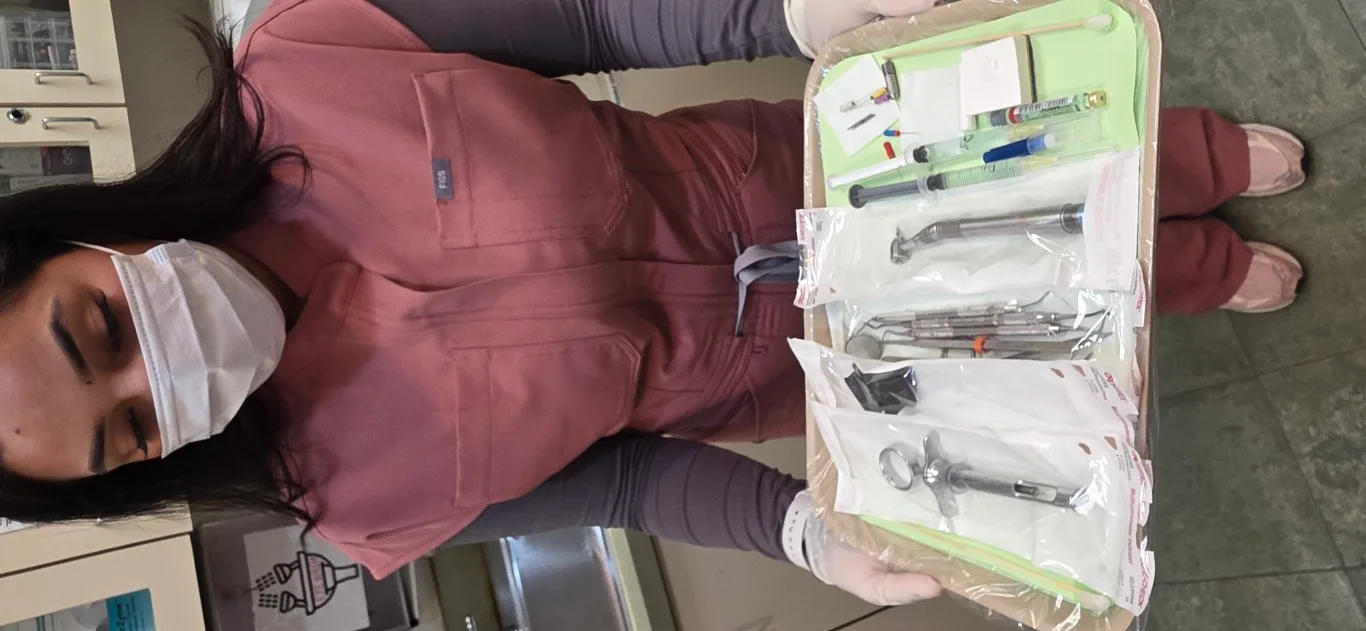
Using specialized ultrasonic and hand instruments, we carefully remove plaque, tartar, and bacterial toxins from the tooth surfaces both above and below the gumline.
Root Planing (Smoothing Roots)
We smooth the rough surfaces of tooth roots, eliminating areas where bacteria can collect. This clean, smooth surface encourages your gum tissue to heal and reattach to your teeth.
Follow-Up Assessment
We schedule a follow-up visit to re-evaluate your gum health, measure pocket depths, and ensure proper healing. We will also provide personalized home care instructions and may recommend a maintenance cleaning schedule.
Do You Need
a Deep Cleaning?
A regular cleaning maintains healthy gums — but once gum disease progresses below the gumline, a deeper intervention is necessary. Dr. Tran uses periodontal measurements to determine exactly which treatment your gums need.
Signs You May Need One
Gums That Bleed When You Brush
Bleeding gums are one of the earliest signs of gum disease. Healthy gums don't bleed — this symptom warrants a professional evaluation right away.
Pocket Depths of 4mm or More
During your exam, we measure the space between your gums and teeth. Pockets deeper than 3mm indicate bacteria is collecting below the gumline where brushing can't reach.
Receding Gumline
If your teeth look longer than they used to, your gums may be pulling away. Recession exposes sensitive root surfaces and is a sign of active gum disease.
Persistent Bad Breath
Chronic bad breath that doesn't resolve with brushing and mouthwash can be caused by bacteria living in deep gum pockets — a deep cleaning addresses the source directly.
Tartar Below the Gumline
Once tartar (calculus) hardens below the gumline, no amount of home brushing can remove it. Only specialized dental instruments can clean these surfaces safely.
Regular Cleaning May Be Enough
Pocket Depths of 1–3mm
Shallow, healthy gum pockets are normal and can be maintained with routine prophylaxis cleanings every six months.
No Bone Loss on X-Rays
If your dental X-rays show no signs of bone deterioration around your roots, a standard cleaning is typically all that's needed to maintain gum health.
Pink, Firm Gum Tissue
Gums that are pink, firm, and don't bleed when probed indicate healthy tissue that responds well to maintenance cleanings.
Consistent At-Home Hygiene
Patients who brush twice daily and floss consistently are far less likely to develop the buildup that leads to gum disease requiring deep cleaning.
No Tartar Below Gumline
If buildup is only present above the gumline, a regular prophylaxis cleaning removes it effectively without the need for scaling and root planing.
Not sure if you need a deep cleaning?
We'll measure your gum pockets and give you an honest assessment — no upselling, just what your gums actually need.
Deep Cleaning
vs. Regular Cleaning
Understanding the difference helps you know what to expect. Here's how these two procedures compare — and why each matters for your long-term gum health.
Deep Cleaning
Scaling & root planing that treats active gum disease below the gumline.
Regular Cleaning
Routine prophylaxis that maintains already-healthy gum tissue.
Unsure which procedure you need? and Dr. Tran will measure your pocket depths and recommend the right treatment for your gum health.
Frequently Asked Questions
Everything you need to know about periodontal deep cleaning. Have more questions? Give us a call.
(714) 374-8800
What's the difference between a deep cleaning and a regular cleaning?
Is periodontal deep cleaning painful?
How often do I need a deep cleaning?
What causes gum disease?
Related Services
Explore other treatments that complement periodontal care.
Nobody Should Put Off Dental Work Because of Money
Our front desk team — they've been with us for years — will walk you through your insurance, explain exactly what's covered, and make sure there are no surprises. If you don't have insurance, we'll work with you.
PPO Insurance Accepted
We accept most major PPO dental plans. Our Huntington Beach team handles the paperwork and verifies your benefits before you sit in the chair — so you know exactly what to expect.
Flexible Payment
Cash, credit, debit — whatever works for you. We'll tell you the cost upfront. No hidden fees, no surprises.
Financing Available
Need to spread it out? CareCredit and Cherry let you get the dental care you need now and pay monthly. We'll help you apply right in the office.